
Constructability Studies



Our Capabilities
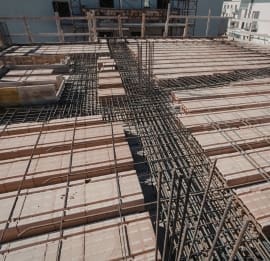
Constructability is the bridge between engineering intent and real-world delivery. At Ingleside Engineering, our constructability studies ensure that every design can be built safely, efficiently, and without unnecessary cost or risk. By applying practical, site-focused engineering expertise, we evaluate how a project will perform during construction — not just on paper.
We examine access, sequencing, lifting constraints, temporary works requirements, logistics, interfaces, and environmental conditions to identify challenges long before they impact the programme. Our approach blends technical rigour with hands-on construction insight, enabling clients to make informed decisions and remove barriers before they reach site.
At Ingleside Engineering, we don’t simply analyse designs —we engineer buildable, predictable, and risk-resilient solutions that work in the real world.
How We Work
Your content goes here. Edit or remove this text inline or in the module Content settings. You can also style every aspect of this content in the module Design settings and even apply custom CSS to this text in the module Advanced settings.
Understand Project Requirements & Constraints
We start by reviewing the design intent, site conditions, programme drivers, access limitations, and operational constraints. This ensures our constructability assessment is fully aligned with the project’s technical and logistical realities.
Review Design Documentation & Engineering Assumptions
Our team analyses drawings, calculations, specifications, and methodology documents to understand how the design is intended to be constructed. We validate assumptions and identify areas where constructability requires closer scrutiny.
Evaluate Site Access, Logistics & Construction Sequencing
We assess site layout, delivery routes, crane positioning, working areas, space constraints, and environmental factors. This helps determine whether the design can be built safely, efficiently, and without excessive temporary works or disruption.
Identify Constructability Risks & Barriers
Using engineering insight and construction experience, we highlight potential challenges — from access restrictions and heavy lifts to complex interfaces and unrealistic sequencing. Each risk is clearly explained with practical mitigation options.
Propose Practical, Buildable Solutions
We recommend improvements to design details, sequencing, temporary works strategies, equipment selection, access arrangements, and installation methods. Our goal is to enhance buildability without compromising engineering integrity or design intent.
Collaborate with Designers & Contractors
We work with all stakeholders to ensure solutions are fully understood, accepted, and integrated into the evolving design. This collaborative approach ensures that constructability improvements translate into real site benefits.
Deliver Clear, Actionable Constructability Reports
Our constructability outputs are concise, logically structured, and focused on real-world practicality. We provide risk ratings, recommended actions, logistical assessments, sequencing reviews, and visual aids where required.
Support Implementation & Follow-Up
If required, we provide ongoing support to review revised designs, assist with construction planning, and help ensure the agreed constructability solutions are applied consistently during delivery.
Frequently Asked Questions
Our Frequently Asked Questions provide straightforward answers to the queries we’re most often asked about our engineering services, processes and capabilities.
This section is designed to offer clarity, support informed decision-making and help you understand how we work, what you can expect from us and how we deliver reliable, technically assured solutions across every project.
What is a constructability study?
A constructability study assesses how efficiently, safely, and practically a design can be built. It identifies construction challenges early and provides solutions that reduce risk, minimise delays, and improve overall project delivery.
Why are constructability studies important?
They prevent avoidable issues on site by ensuring the design is aligned with real-world constraints, including access, logistics, equipment limitations, working space, sequencing, and safety requirements. This leads to smoother construction and fewer costly surprises.
At what stage should a constructability study be carried out?
Constructability reviews add value at any stage, but they are most effective during early design (concept, FEED, or detailed design). Early intervention gives more opportunity to incorporate improvements into the final design.
What information do you need to complete a constructability study?
We typically need design drawings, calculations, specifications, methodology documents, site layout plans, access information, and any constraints such as programme, environmental conditions, or operational restrictions.
What types of issues can a constructability study identify?
Common issues include restricted access, unrealistic lifting operations, complex sequencing, heavy plant limitations, inadequate working areas, difficult interfaces, excessive temporary works, and safety risks that are not evident in the design documentation.
Do constructability studies affect the design?
Yes — constructability studies often lead to refinements that improve buildability. These updates may involve changes to sequencing, detailing, access arrangements, temporary works strategy, or installation methodology.
Can you work with our designers or contractors?
Absolutely. We frequently collaborate with design teams, principal contractors, and specialist subcontractors to integrate constructability improvements into the design and construction strategy.
How does a constructability study improve safety?
By identifying hazards early — such as complex lifts, awkward access, or unsafe working zones — we help ensure that the design supports safe construction practices and reduces reliance on reactive measures during delivery.
Do you provide support beyond the report?
Yes. We can assist in reviewing updated designs, preparing refined methodologies, or advising during construction planning to ensure constructability recommendations are fully implemented.
Can constructability studies save money?
Yes. By eliminating rework, preventing delays, reducing temporary works, and optimising construction methods, constructability studies often deliver significant cost savings and improve overall project certainty.